
Canada Agrees to Join a $170bn European Initiative in Increasing Military Spending
Published: January 26, 2025 | Author: Aarnav Gupta
Recent events have Canada stuck between the crosshairs of trade disputes with the United States, and increasing presence of Chinese and Russian ships along the Arctic. As a result, the nation is looking at its companions across the Atlantic for cooperation.
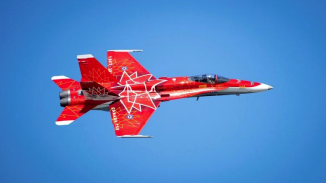
As the Arctic melts, it creates a lucrative route for global trade, by cutting down shipping times and swaying ships away from the Panama Canal. Due to these factors, control over the area has been in Russia’s interest, but Canada holds a vast majority of the land. Unfortunately, the military capabilities up north are hindered by obsolete technology, and low manpower relative to the land needed to be covered.
To fix this, Canada has joined the rearmament initiative with Europe, bolstering advanced technological capabilities, and helping Canada achieve NATO’s 2% GDP to military spending goal. Furthermore, it hinders away from US dependence, who use these points in trade negotiations, and even turning Canada into the 51’st state. Mark Carney has stated that with this trade deal, “70 cents of every dollar of Canadian military capital spending would no longer go to the US” (Doyle, 2025). This trade deal diversifies Canada’s global military presence, attracts new economies in the north and hinders USA’s attempt at making this topic a chokepoint in negotiations.
As Rotman students, we should pay close attention to trade deals, as it showcases how money is flowing in and out of Canada, and it’s resulting implications. As future consultants, investors and even members of government, we should pay attention to the growing companies because of this deal, and the future infrastructure being constructed. Furthermore, as residents of Canada, we should pay attention to understand the federal budget, and how our lives maybe changed, might that be a change in visa regulations.
For a deeper dive, visit this article (Canada agrees to join EU initiative to surge defense spending) for more information.