
Beijing lifts some tariffs on U.S. farm goods, but soybeans stay costly
Published: January 26, 2025 | Author: Allison Cheam-Zhan
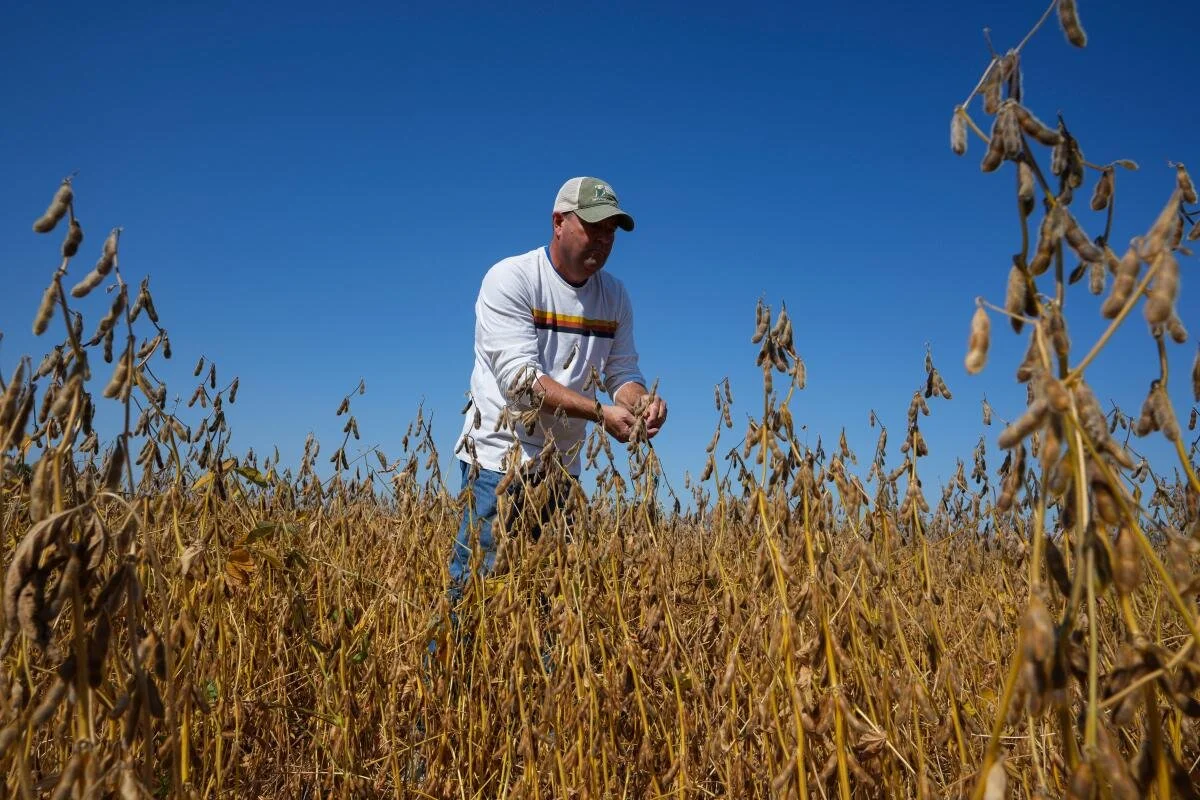
On November 10th, China reduced retaliatory tariffs on U.S. imports upon a meeting between leaders of the two countries, bringing Chinese tariffs on U.S. soybeans to 13%. This comes after increased tensions in the global market with ‘Liberation Day’ tariffs. However, analysts believe the impact will be minimal as American soybeans remain priced higher than Brazilian substitutes. China is the largest importer of American soybeans but has increasingly been purchasing soybeans from Brazil. In a December shipment, Brazilian soybeans were priced at $2.25 to $2.30 compared U.S. soybean prices of $2.40. In 2024, China sourced 20% of its soybeans from U.S., down from 41% in 2016. American farmers have lost billions of dollars in lost exports as a result of higher tariffs although analysts believe this is a sign of progress towards a better trade relationship.
This development is a great example of how geopolitics and diplomacy influence international business and trade. Government policies, such as tariƯs, influence cross‑border commerce and the stability of global supply chains. As the U.S. and China are the world’s two biggest economies, shifts in their trade relationships can influence economies in other countries, as reflected by the increased demand of Brazilian soybeans. With Chinese buyers no longer being as a reliable source of demand for American soybean producers as before, the situation highlights the major role governments play in competitive dynamics and market opportunities within the international business landscape.
For more information, see this article (Beijing lifts some tariffs on US farm goods but soybeans stay costly) for more details.